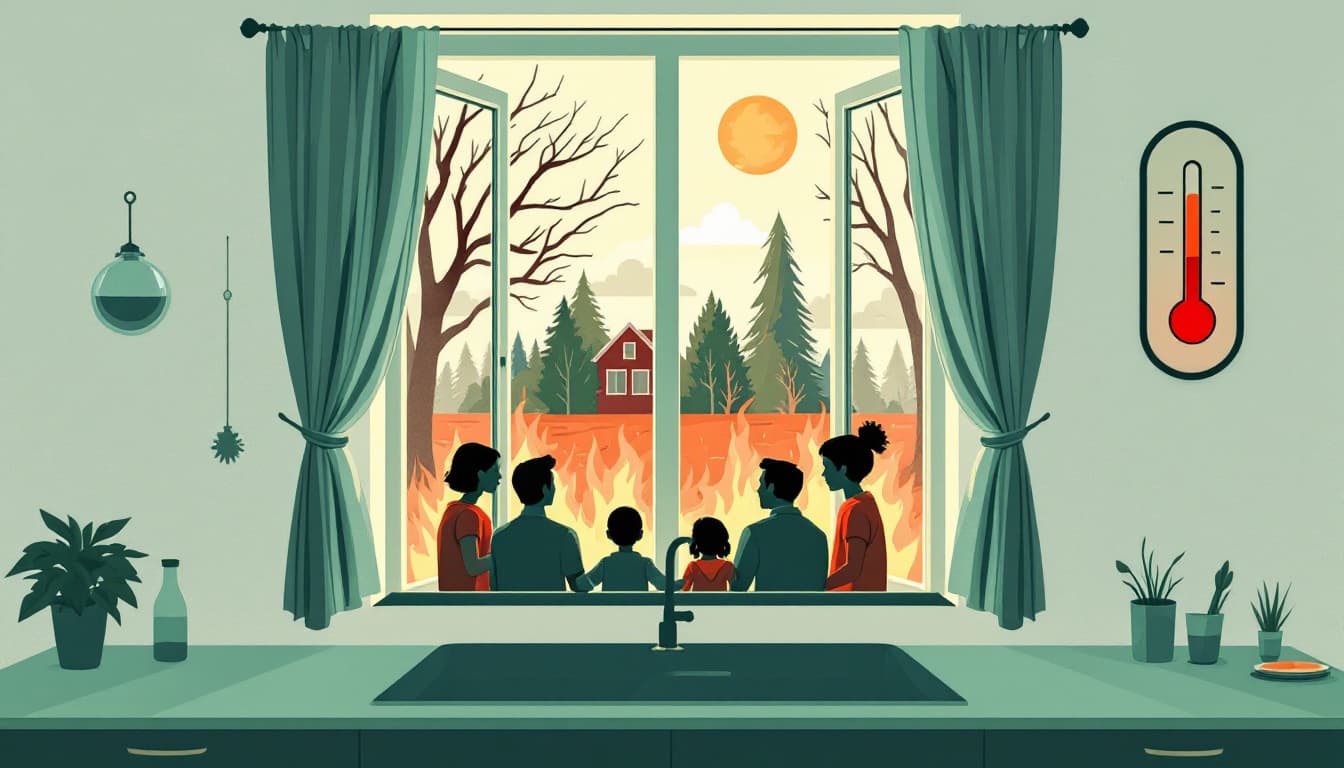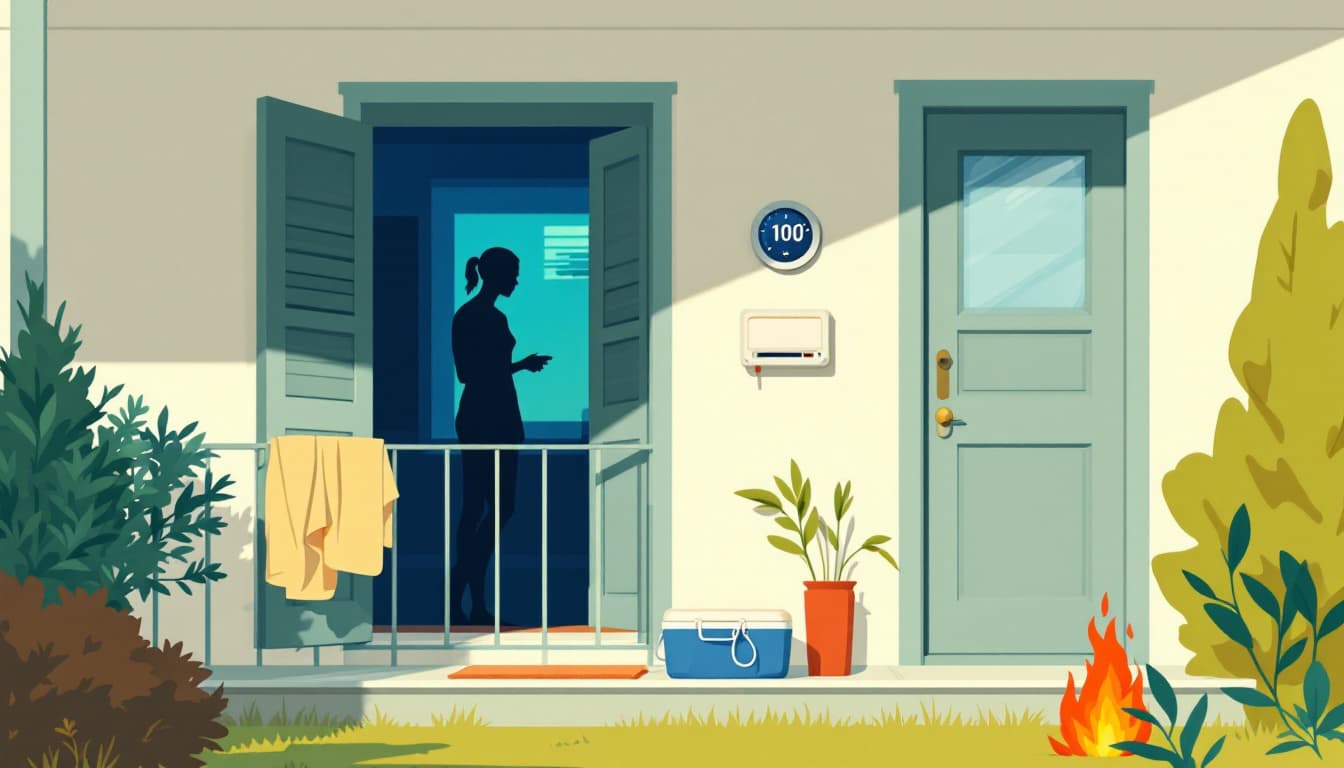
A report this week from Medical Daily noted that late-season extreme heat warnings are stretching from Arizona eastward to Arkansas, with heat index values climbing above 110°F across the affected corridor. The warnings cover a broad swath of the American Southwest and South, with Arizona representing the western anchor of an unusually persistent heat event for early September — a time when temperatures in the region historically begin their gradual retreat from summer peaks.
Arizona's National Weather Service offices, including those serving the Phoenix and Tucson metropolitan areas as well as the lower Colorado River Valley around Yuma, have issued the warnings as the state's desert basins continue to trap and radiate heat well into what is typically considered the tail end of monsoon season. Yuma, which routinely records some of the highest sustained temperatures in the continental United States, sits in one of the zones most acutely affected by the elevated heat index readings. The combination of residual monsoon humidity and persistent high-pressure systems overhead has suppressed the typical overnight cooling that residents rely on for relief.
Arizona's grid operator, the Arizona Public Service and Salt River Project service territories, has historically flagged late-season heat events as particularly stressful for the electrical infrastructure because demand remains elevated while some generation and transmission maintenance windows are already being scheduled for the coming cooler months. Prolonged events like this one also place strain on the Central Arizona Project's canal system and municipal water utilities, which see sustained spikes in consumption as residents and agricultural users respond to extreme conditions. Arizona's Department of Health Services tracks heat-associated emergency department visits in real time through its public health surveillance systems, and late-season events can catch populations off guard after months of adaptation fatigue. For households that monitor backup power or water storage as part of longer-term resilience planning — the kind covered in depth at resources like Middle Class Prepper's generator and cooling reviews — the persistence of heat into September underscores why warm-weather capacity planning extends well past the traditional July peak.