A report this week from WDBJ7 draws attention to a consequence of Arizona's brutal summer heat that often goes undiscussed: the measurable stress being placed on the state's native wildlife. While human health impacts during Arizona heat events dominate headlines, biologists and wildlife managers are documenting distress across multiple species as temperatures in the Sonoran and Mojave Desert regions push into record territory.
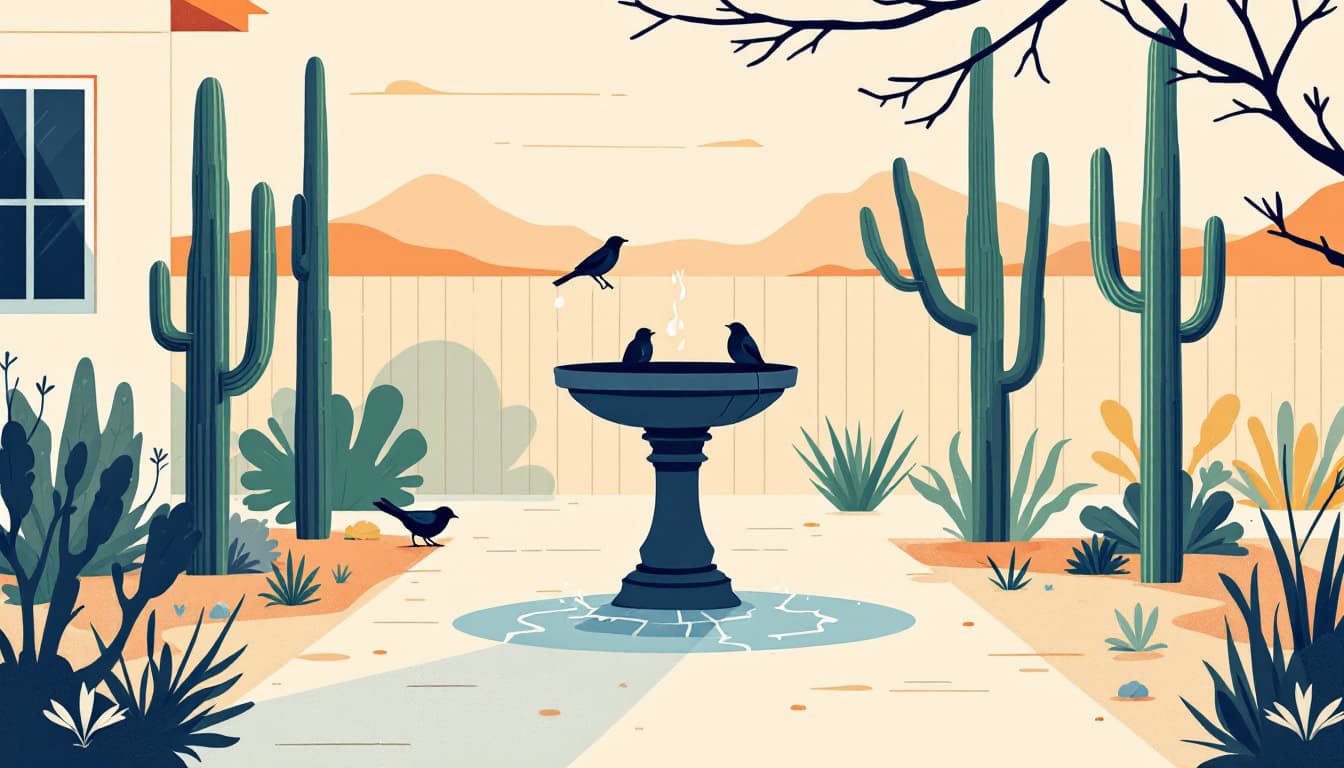
Arizona Game and Fish Department officials have noted that water sources critical to desert wildlife — from mule deer and javelinas to raptors and reptiles — are drying up faster than normal during the current heat cycle. Animals that would ordinarily range widely in search of food are increasingly clustering around remaining water catchments and urban water features, a behavioral shift that puts them in greater contact with humans and domestic animals and raises the risk of vehicle collisions on roads cutting through habitat corridors across Maricopa, Pima, and Yavapai counties.
Smaller species are showing particular vulnerability. Bird mortality events have been observed in the lower Colorado River basin, and herpetologists monitoring Gila monsters and desert tortoises in the Tucson Basin have flagged unusual surface activity during daylight hours — behavior typically associated with thermal stress — as animals seek shade or moisture in suboptimal conditions. The compounding factor is that nighttime low temperatures across metro Phoenix have frequently remained above 90°F in recent weeks, denying nocturnal animals the cooler hours they depend on for foraging.
Researchers affiliated with Arizona State University's Global Institute of Sustainability and Innovation point out that this pattern is consistent with multi-year projections that anticipated accelerating heat stress on Sonoran Desert food webs as climate baselines shift upward. The strain on primary consumers like insects and small mammals has downstream effects on raptors, coyotes, and other predators that form the upper layers of Arizona's desert ecosystems.
For Arizonans who maintain rural or semi-rural properties, the convergence of stressed wildlife, degraded natural water sources, and a strained electrical grid — APS and SRP have both logged near-record demand loads this summer — creates a layered set of conditions worth understanding. Water storage infrastructure in the state, including CAP canal deliveries and local groundwater dependent on functioning pump systems, sits within the same vulnerability window as the wildlife it indirectly supports; extended grid disruption during peak heat would affect not just households but the agricultural and municipal water systems that form the backbone of Arizona's human and ecological communities. Readers evaluating their own water storage posture may find the water storage capacity breakdowns covered in our WaterBOB bathtub bladder review a useful reference point.