A fungal contamination recall has hit Arizona's cannabis supply. A report this week from AOL.com flagged that multiple marijuana products have been pulled from Arizona dispensary shelves due to possible fungus contamination. The recall notice didn't make national headlines. It rarely does with cannabis. That's the problem.
What's actually happening here
Arizona legalized recreational cannabis in 2020 under Proposition 207. The state's Department of Health Services licenses dispensaries and sets testing standards, but the regulatory infrastructure is still maturing compared to, say, the FDA's decades-old food-safety frameworks. Cannabis, regardless of state legality, remains a Schedule I substance federally, which means the FDA does not inspect cultivation facilities, mandate recalls, or set national contamination thresholds.
What that means in practice: when something goes wrong — mold, pesticides, heavy metals — the response depends entirely on Arizona's own lab-testing network and the speed of the Arizona DHS notification process. There is no federal backstop.
Fungal contamination is not a trivial issue for certain households. Aspergillus mold, one of the species that shows up in cannabis contamination cases, can cause serious respiratory illness in people with compromised immune systems, chronic lung conditions, or who are undergoing chemotherapy. For healthy adults it's mostly a non-event. For a household member who is immunocompromised, it is genuinely dangerous. The risk is population-specific, not universal — but knowing your household's position on that spectrum matters.
Arizona's climate adds another layer. The state's heat and humidity cycles — especially during the pre-monsoon and monsoon seasons from roughly June through September — can stress indoor cultivation facilities' climate controls. Poorly controlled grow environments are where mold problems originate. That's not an accusation of any specific operator; it's basic mycology.
What we'd actually do
Check the specific recall details through Arizona DHS directly, not through third-party news summaries. The Arizona Department of Health Services maintains a public registry of cannabis compliance actions. When a recall is announced, the official DHS posting will include the batch numbers, the licensed dispensary, and the products affected. News reports summarize; the source document has the lot numbers you actually need to match against anything in your home.
Dispensaries are required to notify customers who purchased recalled products if they collected contact information at point of sale. If you used a loyalty program or provided a phone number, you may get a direct notification. If you bought with cash and no contact info, you won't. Keep purchase receipts — even a photo of the receipt label — for exactly this reason. A thirty-second habit at the dispensary counter is worth the inconvenience if a recall touches something you already have at home.
If anyone in your household is immunocompromised, treat this product category the same way you'd treat raw sprouts or unpasteurized juice. Both carry elevated microbial risk that's acceptable for most people and genuinely risky for a narrow population. The recall serves as a prompt to have an honest household conversation about who is using these products and what their health baseline is. This isn't about fear; it's about matching risk tolerance to actual risk profile.
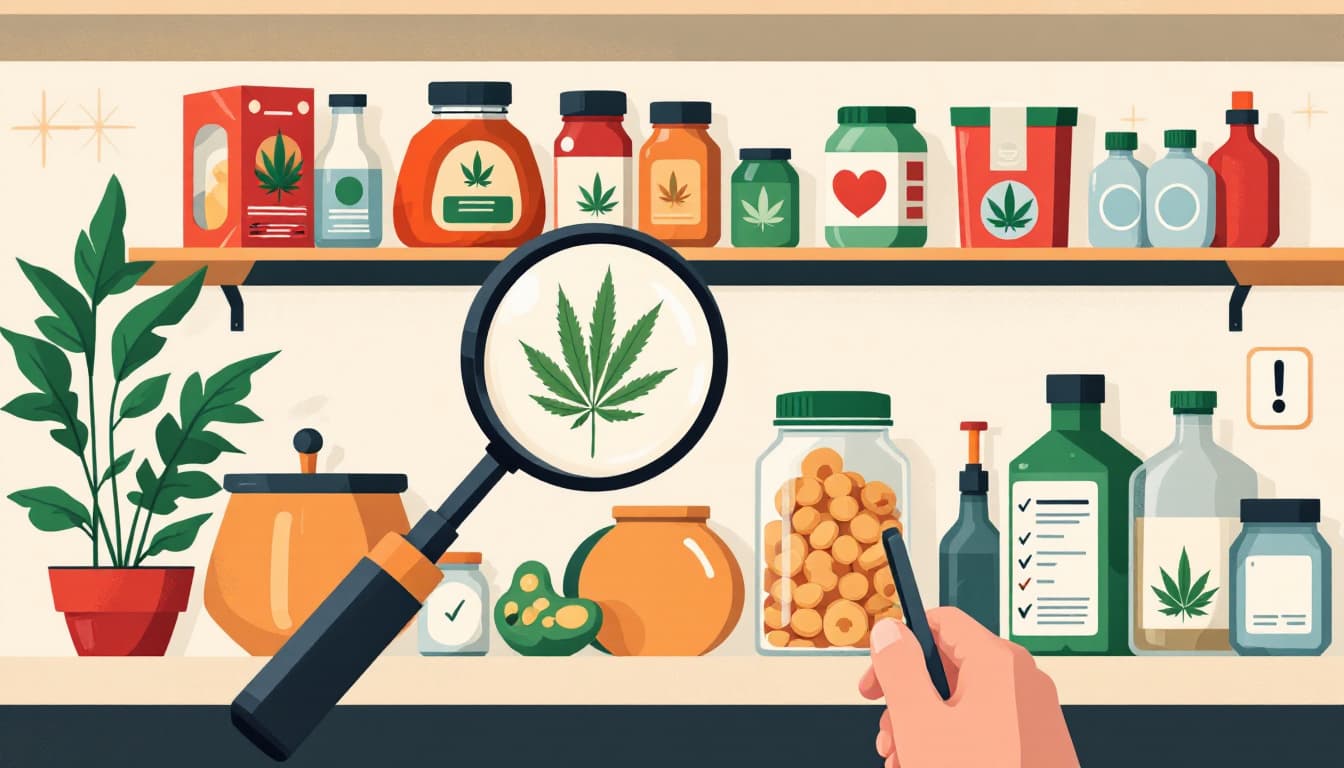
Ask your dispensary about their third-party testing certificates before you buy. Arizona regulations require licensed dispensaries to test products, and many post Certificates of Analysis (COAs) either in-store or on their website. A COA from an accredited lab will show mold, pesticide, and potency results by batch. It takes about ninety seconds to look at. If a dispensary can't produce one or acts evasive when you ask, that's information.
Don't store cannabis products in humid environments inside your home. The same monsoon humidity that stresses grow operations can affect stored products. A cool, dry drawer — not a bathroom cabinet, not a car — extends shelf life and reduces the conditions under which any residual contamination could worsen.
The bigger picture
This recall isn't a reason to panic or to stop using legal cannabis products. It's a reason to understand that state-regulated doesn't mean federally-verified, and that the household-level habit of checking product sourcing applies here the same way it applies to deli meat or bagged salad greens. Arizona's cannabis regulatory system is functional but young. Recalls will happen again.
The households that handle these moments best aren't the ones that stockpile the most or react the fastest. They're the ones that already know where to check, already have a rough sense of who in their household faces elevated risk, and already treat "is this product documented?" as a normal question rather than a paranoid one. Durable households aren't surprised by the existence of recalls. They just know what to do when one lands.