A discount grocery chain running a free mystery box promotion is not, by itself, news. What makes this one worth paying attention to is the timing. A report this week from Yahoo News Australia noted that Aldi is giving away free mystery grocery boxes in the U.S. — and that it's happening against a backdrop of food prices that have kept climbing even as inflation in other categories has cooled. That combination tells you something about where retailers think the market is heading and how nervous they are about losing customers.
What's actually changing
Aldi is not running this promotion out of generosity. Grocery retailers run loss-leader and sampling campaigns when they need to acquire or retain customers, and they are especially aggressive about it when competitors — including meal-kit services, warehouse clubs, and dollar stores — are all fishing in the same shrinking pool of household food dollars.
Recent BLS data has consistently shown food-at-home prices sitting well above where they were three years ago, even as the rate of increase has slowed. That distinction matters. Slowing inflation is not the same as prices falling. A family spending $1,100 a month on groceries in 2023 isn't spending $900 again because the inflation rate ticked down.
What's also shifting is consumer behavior. Households have been trading down: store brands over national brands, chicken over beef, fewer prepared foods. Aldi has built its entire business model around that consumer psychology, and a mystery box promotion is a clean way to introduce their private-label products to shoppers who haven't committed to the brand yet. It's customer acquisition, wrapped in a feel-good headline.
The larger pattern here is that food retailers know demand is price-sensitive right now in ways it hasn't been in years. When a retailer offers something free, read it as a signal that they're working hard to hold your attention — because they expect the competition for your grocery dollar to intensify.
What we'd actually do
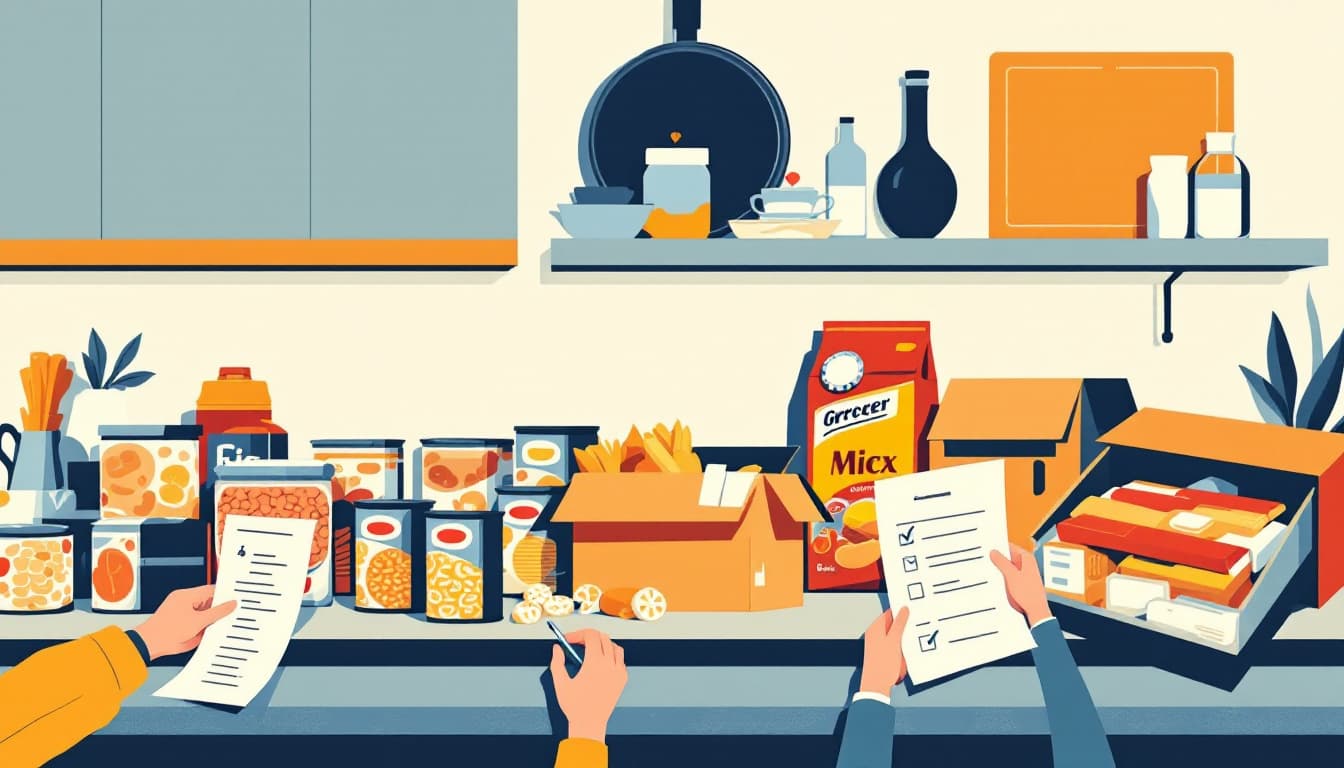
Take the free box, but don't let it substitute for a pantry audit. The Aldi promotion, if it's available near you, is worth claiming — free food is free food, and mystery boxes sometimes include staples with decent shelf life. But one box doesn't move your household's food security needle. A pantry audit does: walk through what you have, write down expiration dates, and identify the three or four staples you're actually running through fastest. That list is more useful than any promotion.
Build a two-week rolling buffer of your actual, eaten food. The preparedness community often pushes 90-day food stockpiles of freeze-dried meals nobody in the house will eat. A more durable approach is a two-week buffer of things you're already buying — dried beans, rice, pasta, canned tomatoes, oats, peanut butter. At current prices, you can assemble this for roughly $80–$120 depending on family size. You rotate it by shopping from it first and replacing what you use. No waste, no special gear.
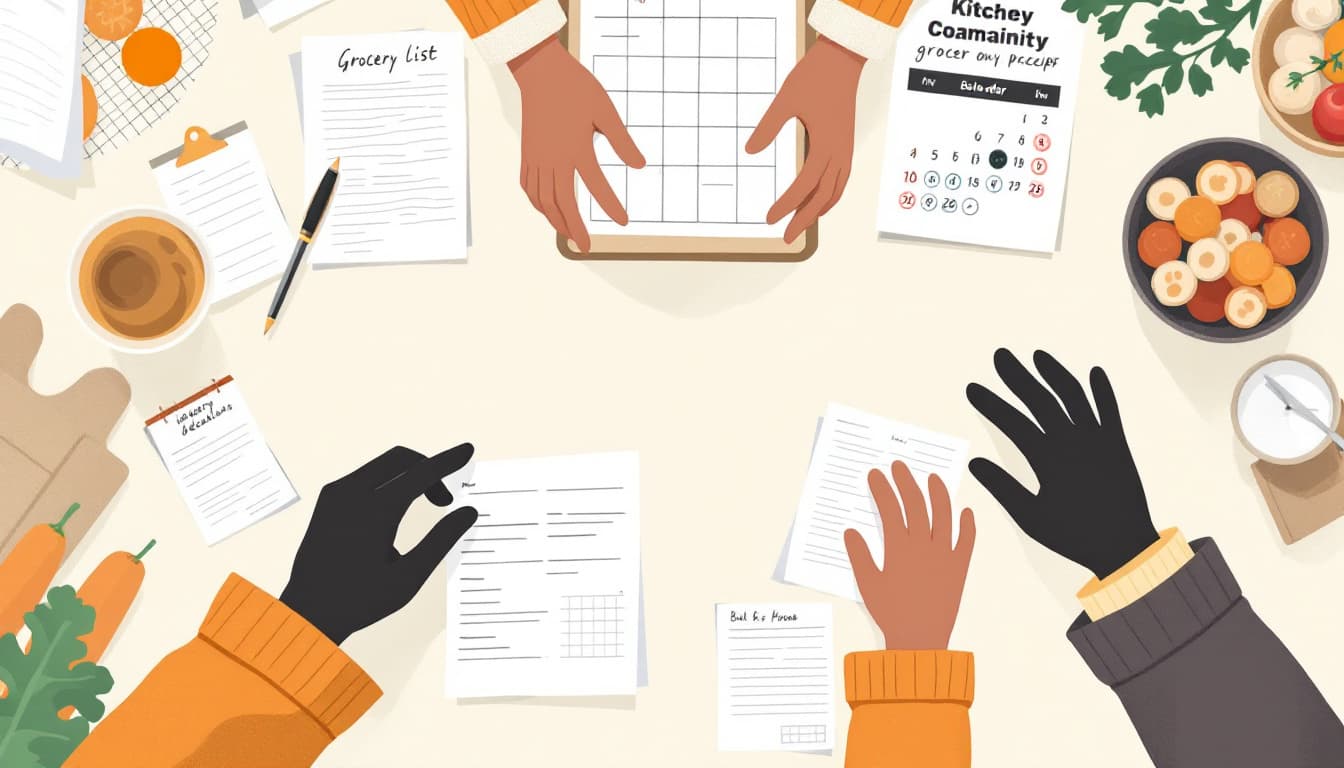
Track your actual grocery spend for 60 days before making any big changes. Most households dramatically underestimate their monthly food costs. Before you switch stores, change brands, or start buying in bulk, spend two months logging receipts — or using a bank category if your spending is mostly card-based. You need a real baseline. People who make budgeting changes without a baseline frequently cut the wrong things and burn out on the effort within six weeks.
Compare unit prices, not package prices. Aldi's prices look low on the shelf tag. So do Costco's. Neither is universally cheaper for every household. The only metric that matters is price per ounce (or per pound, per unit). Spend twenty minutes with your phone calculator at your two or three regular stores and you'll often find that the "expensive" store wins on specific items. This is tedious once and valuable for years.
The bigger picture
Free grocery boxes are a symptom of a market where food retailers are fighting for customers who are genuinely stressed. That stress is real and is likely to persist — supply-chain pressures from climate volatility, shipping costs, and agricultural input prices don't reverse quickly. But stress and crisis are different things. Your household's goal isn't to survive a catastrophe; it's to be durable through a long, grinding period of elevated costs.
The families who come through that in the best shape won't be the ones who panic-bought a year of freeze-dried food in 2024. They'll be the ones who quietly built a buying rhythm, kept a buffer, and stayed clear-eyed about what they're actually spending.