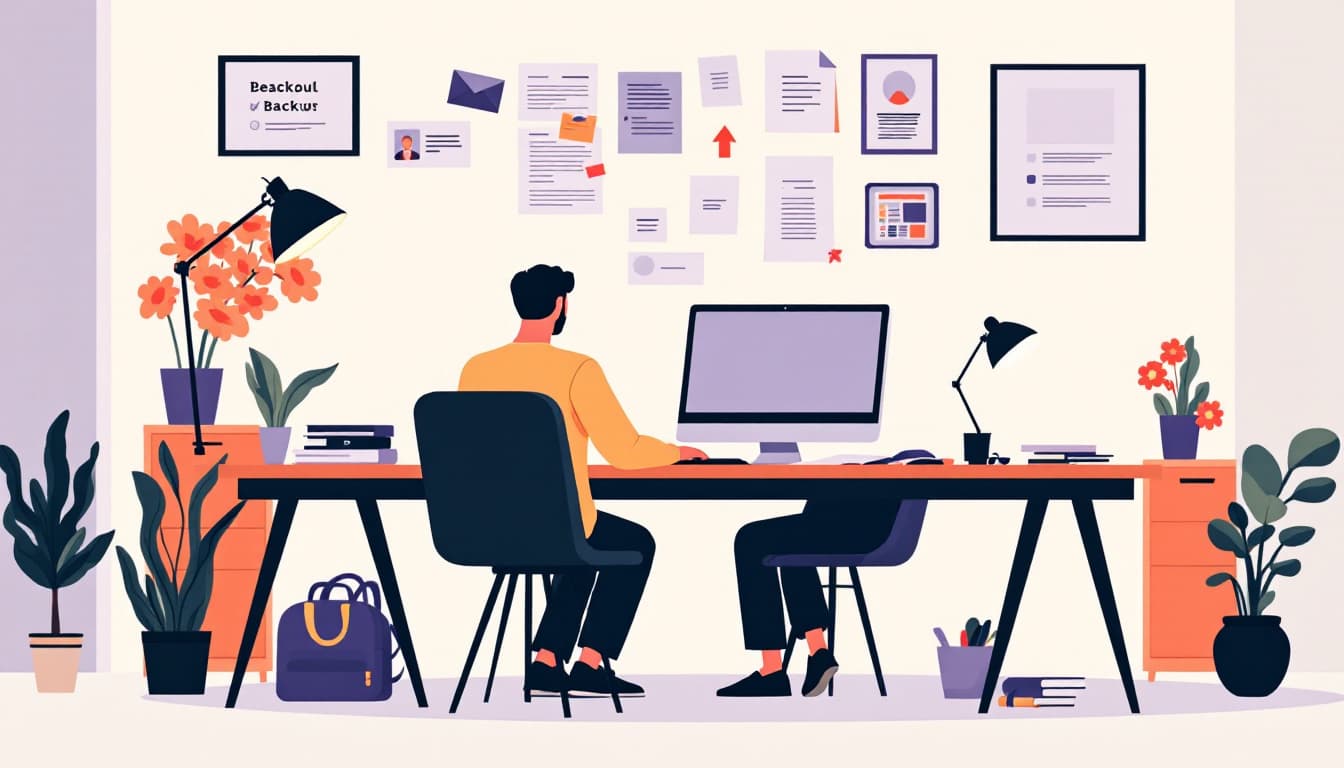
A software developer published a piece on Hacker News this month arguing that copy-pasting code from an AI assistant is a trap. The code works, so you ship it. But you never understood it, which means the next time something breaks, you're helpless — or you paste again and dig the hole deeper. The author's fix is deliberately slow: retype the generated code by hand, line by line, so your brain is forced to process it.
That argument is aimed at programmers. But the underlying mechanic applies to anyone running a household in 2026.
What's actually changing
AI assistants have become the first stop for a widening set of household decisions: meal planning, budgeting, medical symptom triage, car-trouble diagnosis, legal document drafting, travel routing. The tools are genuinely good. That's the problem.
When a tool is faster and more reliable than your own judgment, you stop practicing your judgment. Not dramatically — you don't notice a single instance of "I'll just ask ChatGPT." But across two years of daily small outsourcings, the skill atrophies. This is cognitive debt at the household level, and it has a specific failure mode: the moment the tool is unavailable — power out, internet down, subscription lapsed, service discontinued — you're operating below your own pre-AI baseline.
A few areas where this pattern is already visible:
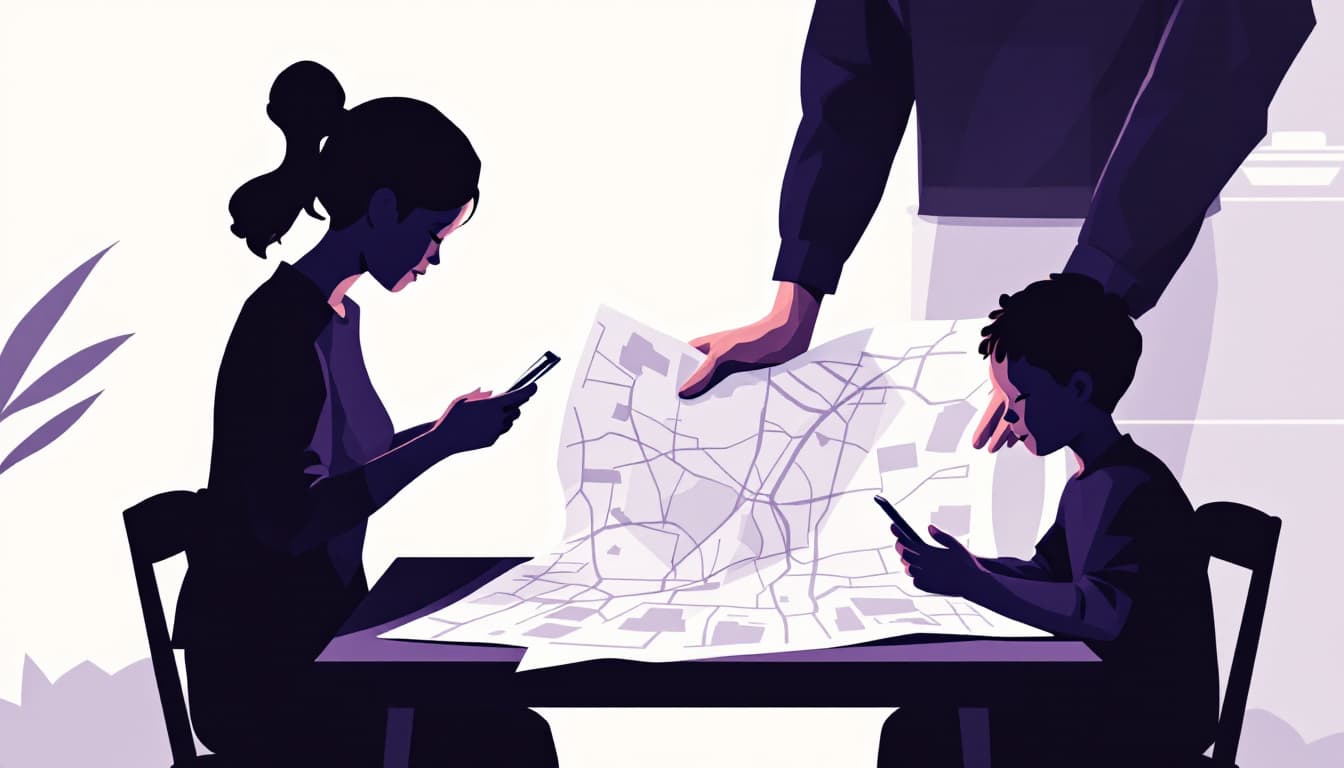
Navigation. Families who rely entirely on real-time routing apps lose the mental map of their own city. During a grid outage or cell-tower overload (both common in major weather events), they struggle to execute a route they've driven a hundred times.
Budgeting. AI tools that auto-categorize spending and flag anomalies are genuinely useful. But if you've never built a budget from raw numbers, you won't catch the error when the tool miscategorizes something — or when you're doing it by hand at a shelter with a pen.
Medical decision-making. Symptom-checkers are useful triage aids. Families that have outsourced basic first-aid judgment entirely find themselves without a framework when the tool gives a confusing answer or is unavailable.
Home maintenance. Diagnosis-by-AI-chat is often accurate. But if you've never learned to read a breaker box or trace a pipe, you can't verify whether the AI's answer fits your actual house.
None of this is an argument against using AI tools. It's an argument for knowing which skills you're renting versus which skills you own.
What we'd actually do
Audit one AI-assisted habit per week and trace whether you could do it without the tool. Pick something small — your grocery budget, a driving route, a medication interaction you looked up. Walk through it manually. If you can't, that's information. You've identified a dependency worth addressing before it's urgent.
Keep one paper backup for your highest-stakes recurring tasks. A printed household budget template, a handwritten medication list with dosages, a folded city map in the glove box. Paper doesn't require a subscription, a signal, or a charged device. The point isn't to abandon the digital version — it's to ensure the paper version exists and you know how to use it.
Practice the manual version of one skill quarterly. Not as a drill, just as maintenance. Drive a familiar route with your phone face-down. Balance the month's spending on a notepad before checking your budgeting app. Change a fuse or reset a breaker without asking an AI to walk you through it. Frequency matters more than depth — fifteen minutes of manual practice keeps a skill alive.
When you use an AI tool for something important, spend five minutes understanding the output before acting on it. This is the household version of the Hacker News developer's retyping strategy. You don't have to be an expert; you have to be able to explain, in one sentence, why the tool's answer makes sense. If you can't, ask a follow-up question until you can.
The bigger picture
Preparedness has always been about reducing single points of failure. For the last decade, those discussions focused on physical supplies — water, food, power. The next layer is cognitive: what does your household actually know how to do when the tools go quiet?
The goal isn't self-sufficiency for its own sake. It's durability — the capacity to absorb a disruption without going from functional to helpless. AI tools are a genuine upgrade to household capacity. They're also, if you're not paying attention, a slow drain on the underlying skills that make your household functional in the first place.
The developer retyping code by hand isn't being inefficient. They're making sure they still own the skill they're using.